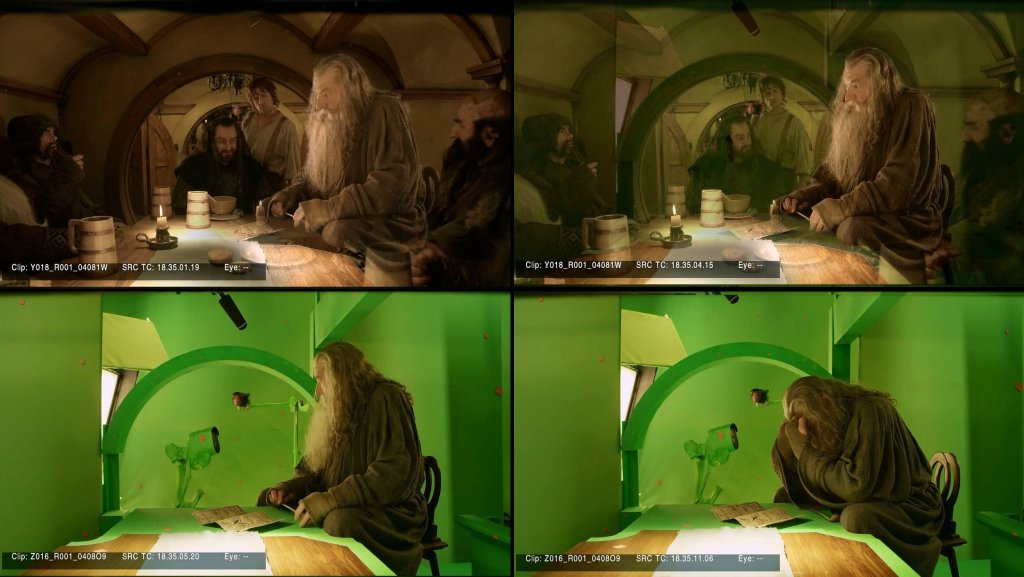
Digital cinema emerged in the 1990s and revolutionised the industry of moving images. It is used as a new method of visual storytelling and enables filmmakers to tell numerous stories that couldn’t be told in cinema before, especially in the fantasy and science-fiction genres. The Hobbit saga (P. Jackson, 2012-2014) is a good example of the impact of digital technology in films.
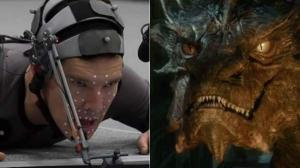
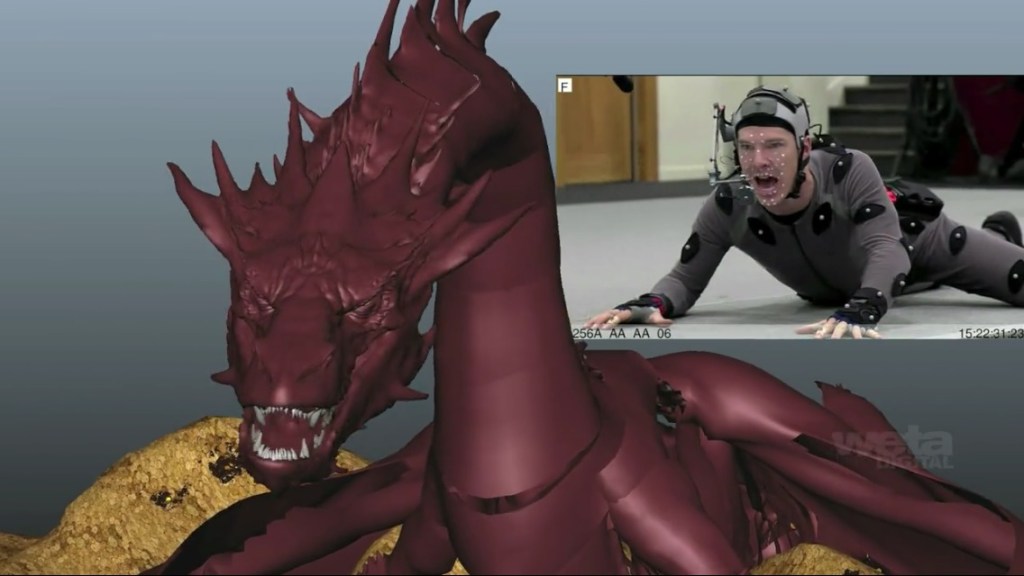
One of the most impressive digital methods used in The Hobbit is performance capture, featuring one of the most famous actors known for his roles in performance capture: Andy Serkis. In the franchise, Serkis portrays the monstrous Gollum. Peter Jackson also used performance capture for the orcs and, more subtle to the eye, the dragon Smaug, acted by British actor Benedict Cumberbatch. The idea to use performance capture to animate Smaug is interesting. They could have simply used Computer-Generated-Imagery (CGI), just like Spielberg animated the dinosaurs in Jurassic Park (1993). But the process of an actor physically embodying Smaug gave a more detailed and ‘accurate’ hyper-realistic representation of the dragon.
Another digital method omnipresent in The Hobbit – as in most films of its genre – is CGI. We can notice CGI in the landscapes (originally filmed on green or blue screens), action scenes and characters (notably Sauron – or more precisely, the ‘eye of Sauron’).
The aim of digital cinema is to make the spectator believe in its indexicality. When it comes to sci-fi films, it is difficult to believe the story is true – as they are usually set in unrealistic worlds. However, we can argue that the Hobbit saga responds to what Prince called the ‘correspondence-based model’: “unreal images may be referentially fictional but perceptually realistic” (Prince, 1996: 32). The quality of the CGI and visual effects, in addition to their reference to known objects and beings in our world, forces the audience to believe in the indexicality of the story and that the story-world is real in another universe.
 Home
Home 
Leave a comment